
Hello everyone and welcome back to the Tech Advice weekly blog. Today I plan to give you an introduction to many Smart Home devices available, some potential issues with them, and some benefits to using them.
To begin, what is a smart home? Well, it’s a home (obviously) that has many of its household appliances connected to the internet, these devices can then be controlled by the owner using either their smartphone, voice, or conventional methods. This of course is a very basic definition as some devices are more complex than others. In this article I will be looking at the four most common smart home devices: smart lightbulbs, smart plugs, smart TVs, and smart fridges. There are many other “smart” devices but let’s keep it simple, for today at least.
Smart Lightbulbs:
The cheapest and most common type of smart device. These lightbulbs are different to their regular cousins as they can be controlled by your voice or through either their manufacturer’s app or Google Home. The level of control you have can range from turning them on and off to having them change colour at certain times of day, to turning on and off depending on where in the house you are. As with many of the devices I will be looking at the number of options you have will depend on price. If you want many wild colours to choose from you will need to pay more, if you just want a dimmable light most of the cheap ones do this. If you want to try one out Dealz sell them for under €10 (Not sponsored, but I do use them at home myself).

Smart Plugs:
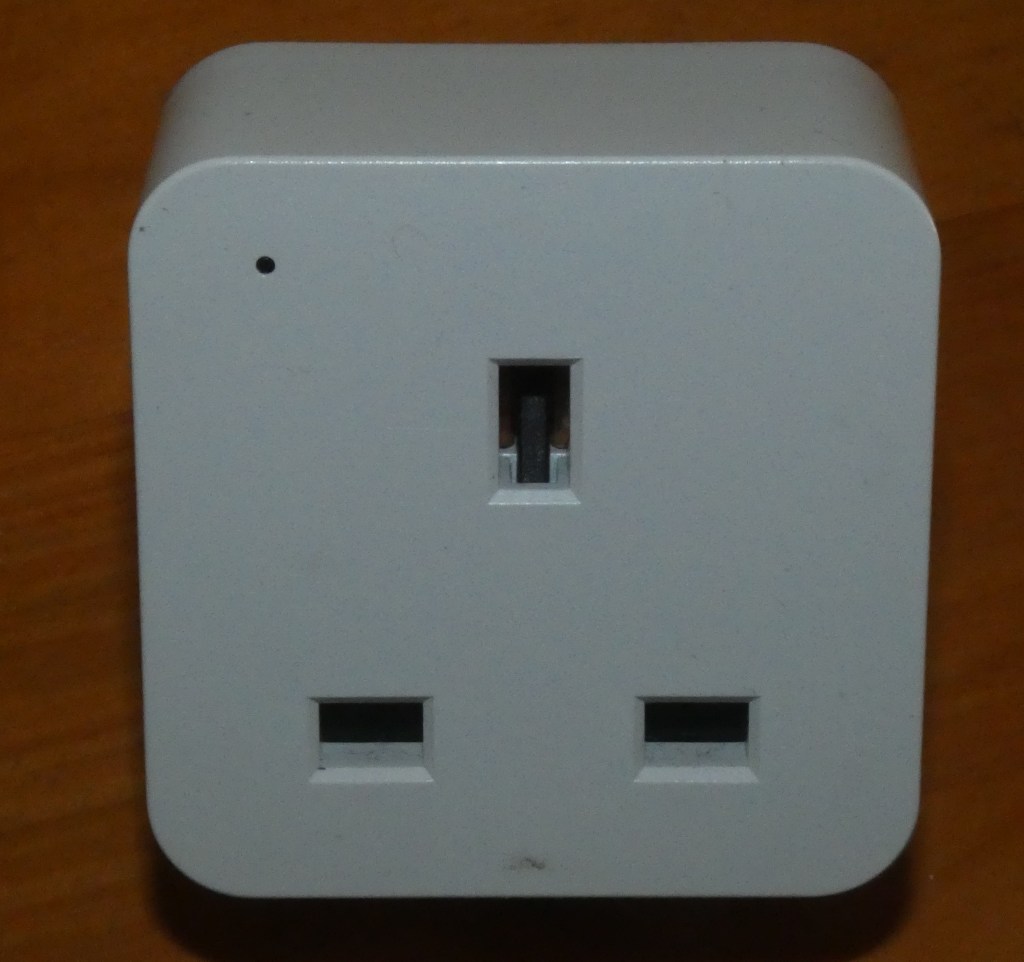
Smart plugs are simple block shaped adapters that you can plug the device you wish to control into. For example, you could plug an electric fan into one and set it to turn on for ten minutes every half hour, or simply turn it on and off using your voice. Essentially a smart plug adds some smart home functionality to devices that are not smart devices. Again, Dealz sells these for under tenner (and yes, I use them too).
Smart Televisions:
You may have heard of these already as they are becoming more and more common, they too can be controlled using your voice and a smartphone, along with the good old remote control. They differ from a regular television in that they also allow you to access internet only content such as web browsing, Netflix, YouTube, and video game streaming (you can play games through the internet instead of having to use a disc or download it). With Black Friday coming up, some of you are likely going to get one, so I would say just be sure you need one as I have seen some people get one and not use any of the “smart” features.
Smart Fridges:
Yes, you read that right there are smart fridges out there. The most notable difference between them and a regular fridge is that the smart one has a little screen on the door that can be used to control and monitor certain elements of the fridge, or just check Facebook out of boredom. I do not have much more to say about them as I have not had any hands-on experience with one myself, but I do find the concept interesting.
Virtual Assistants:
To use voice commands in a Smart Home you need to set up a Virtual Assistant. A virtual assistant is a complex piece of software on most smartphones and tablets that gathers information on you and how you use your devices (if you allow it), it can also be set to listen for voice commands such as “turn on living room light bulb” if given access to your smart home app. Examples of virtual assistants are: Google Assistant (Google Home), Bixby (Samsung Smart Things), Siri (Apple devices), and Cortana (Microsoft Windows). It should be noted that most of them support each other’s devices, so Bixby can control Google Home devices and vice versa.
Virtual assistants can also be given access to your calendar, emails, and internet browser allowing them to remind you of upcoming appointments, alert you to messages, and search for information without you having to type a word.
Privacy Concerns:
The most pressing concern most people have about smart home devices, and in particular virtual assistants is that of privacy. To deliver the best service, virtual assistants are constantly listening for commands, the issue arises in that they might be recording, storing, and possibly even sending to the manufacturer what they hear in the meantime to improve performance. I should note that it is difficult to prove any of this as the manufactures are unlikely to admit to any of these in an era of GDPR and awareness of privacy laws.
While these issues are very concerning personal choice still exists and there are ways of limiting the invasion of privacy posed by such assistants. First, turn off the device when not in use, or disconnect it from the internet; in my previous post I suggested using an old phone as a controller, so putting it into flight mode when not needed will stop any transmission of data. The second option is to not use the virtual assistant and rely on the app belonging to the smart device itself.
Accessibility:
The most important benefit of smart home devices and virtual assistants is that they can help those with certain physical disabilities who may find it difficult or time consuming to reach a light switch, turn on/off a fan/heater during hot/cold weather, or find it difficult to use a computer/phone. This has the potential to give such people more independence than before and potentially reduces the digital divide between them and those who have no problems with the above. I would really like to hear from anyone with experience with this, be it a carer, nurse, or even someone with such difficulties, you can reach me by email at help@techadvice.ie, all correspondence is confidential.
Conclusion:
On that note, I hope you learned something new about smart home devices and have either been convinced to try some of them or have saved some money by not getting an expensive smart television that you don’t need. I should point out that Tech Advice provides support for smart home devices for €15 and hour. If you need help you can find contact details here. As always, if you have any questions, or suggestions for future articles post them here or over on Facebook.
 Tech Advice
Ь᧐okmarked!!, I love your web site!
LikeLike